Introduction
Hai Institute of Technology, established in 2013 by Engineer Peniel Shali, is a vocational and technical training institution located in Boma Ngombe, Hai District, Kilimanjaro, near Kilimanjaro Teachers College. The institute is dedicated to providing practical and career-oriented education that equips students with valuable technical skills. It operates from 8:00 am to 4:00 pm, providing a supportive environment for learning and skills development. Hai Institute of Technology offers a variety of courses, including Electronics, Electrical Installation, Sewing, Masonry and Bricklaying, Motor Vehicle Mechanics, Computer Applications, Civil Drafting, and Auto Electrical. The institute emphasizes hands-on practical training alongside theoretical learning to prepare students for employment and self-employment. Learners develop technical and professional skills through practical exercises and training in their respective fields. The institution aims to produce competent and innovation
Rules and regulations
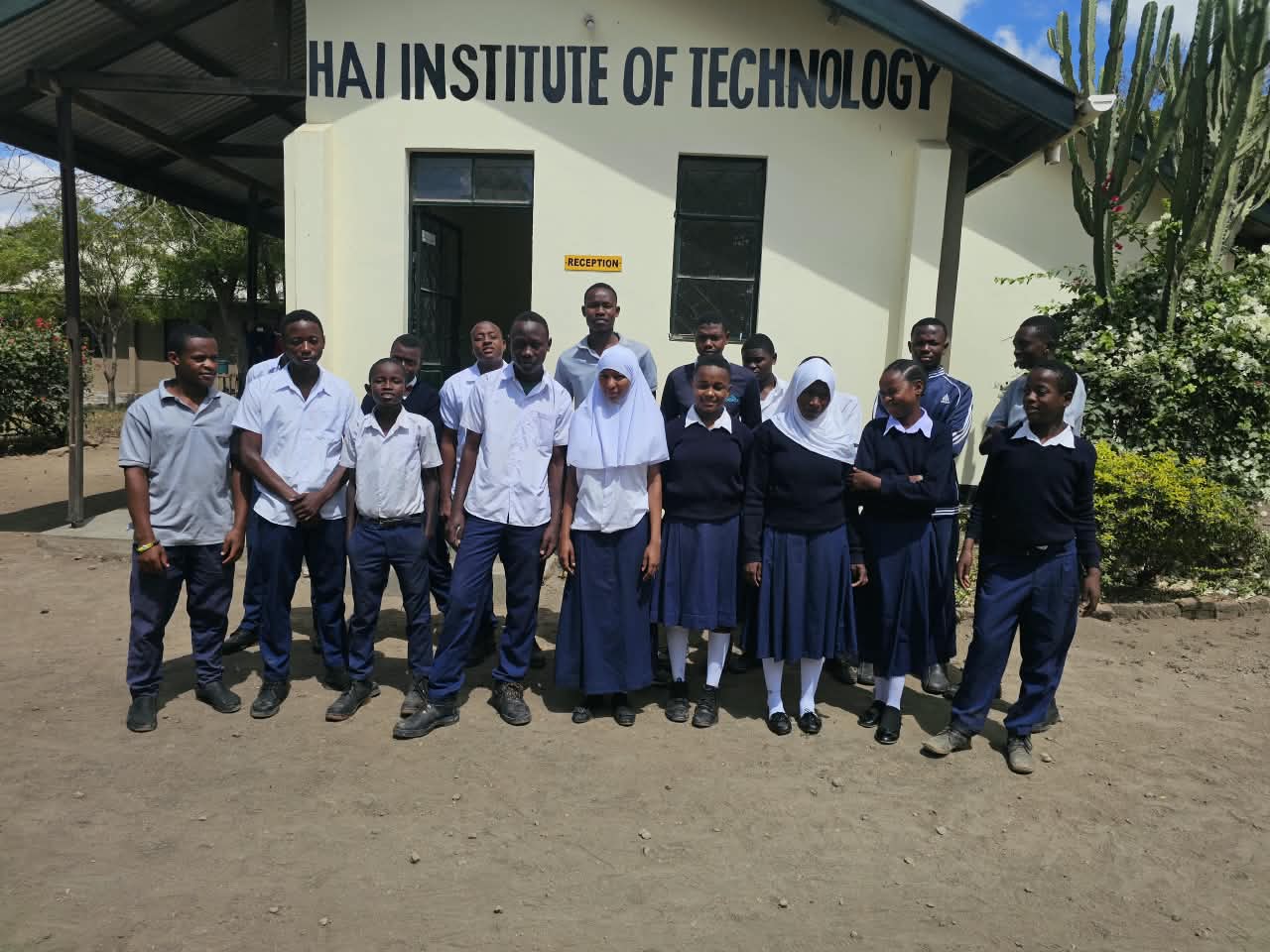
Our school rules focus on being polite, using common sense, and staying safe. We expect everyone to behave well and dress appropriately. If students don't follow these rules or struggle with their work, we address it seriously.
Our Courses
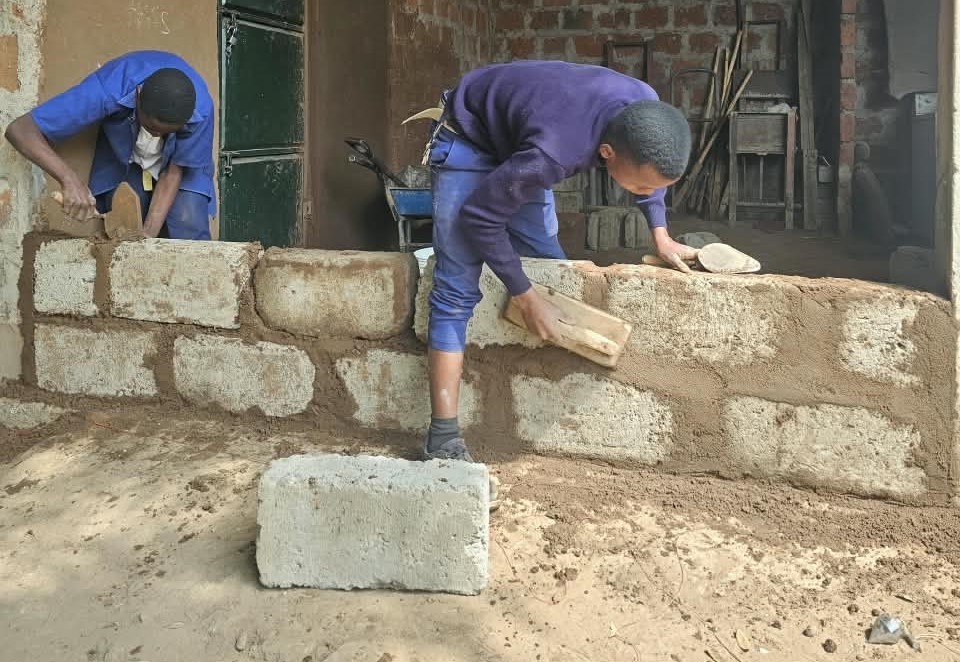
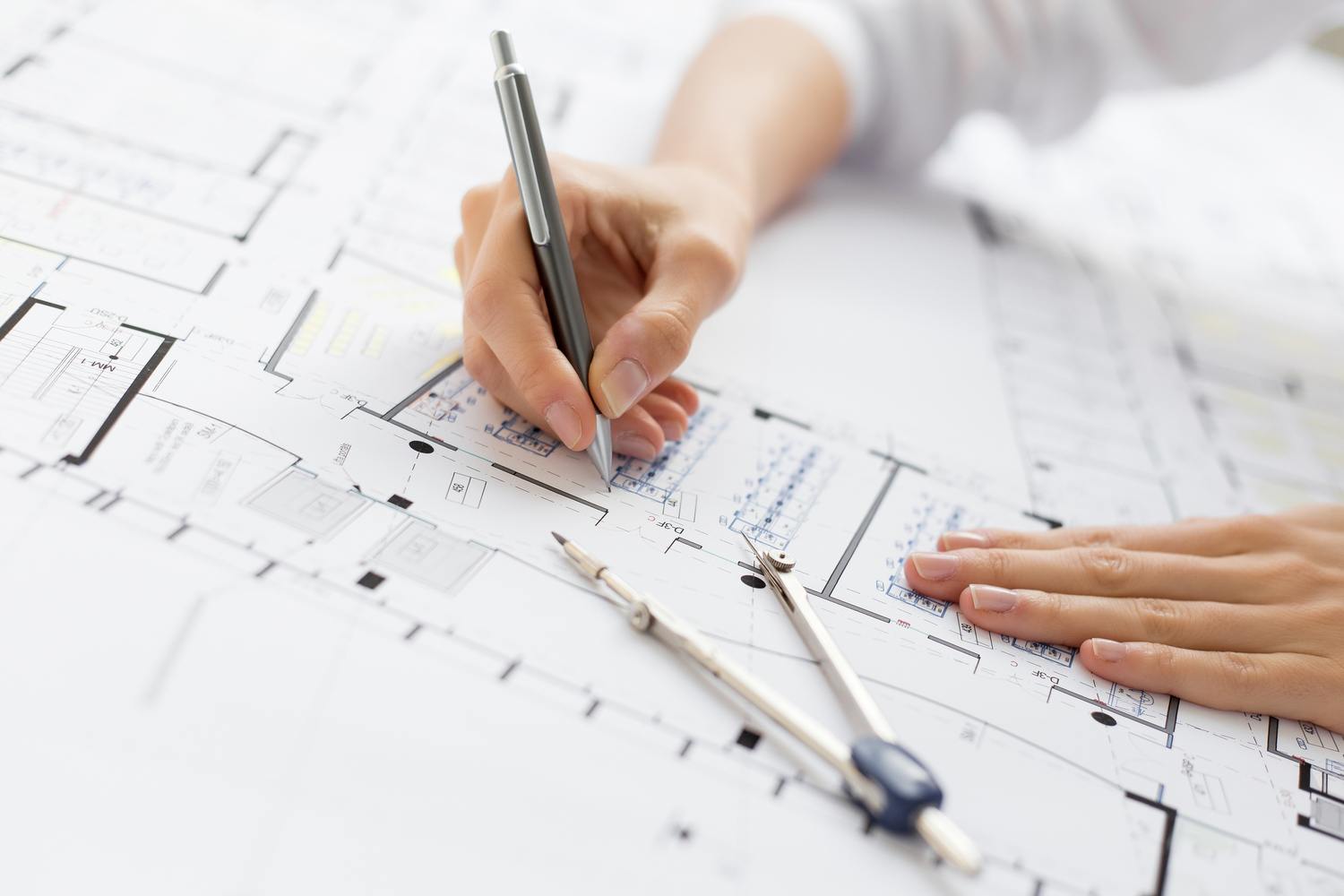
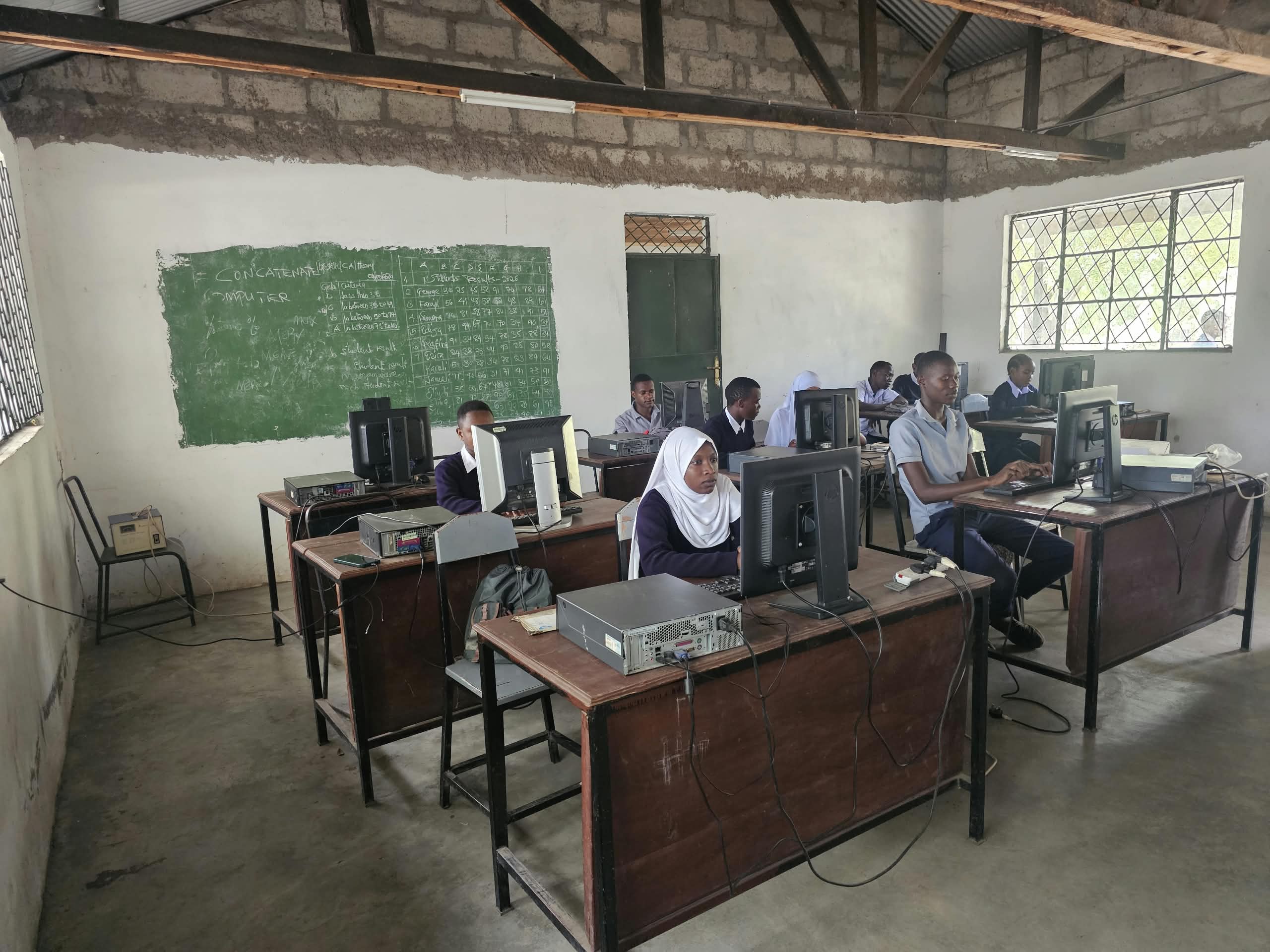
Hai Institute of Technology offers a variety of technical and vocational courses designed to provide students with practical skills and professional knowledge. The institute offers training in Electronics, Electrical Installation, Sewing, Masonry and Bricklaying, Motor Vehicle Mechanics, Computer Applications, Civil Drafting, and Auto Electrical. Our emphasis on practical learning enables students to gain hands-on experience in their respective fields. We promote innovation, creativity, and tech
Masonry and Bricklaying
Electrical Installation
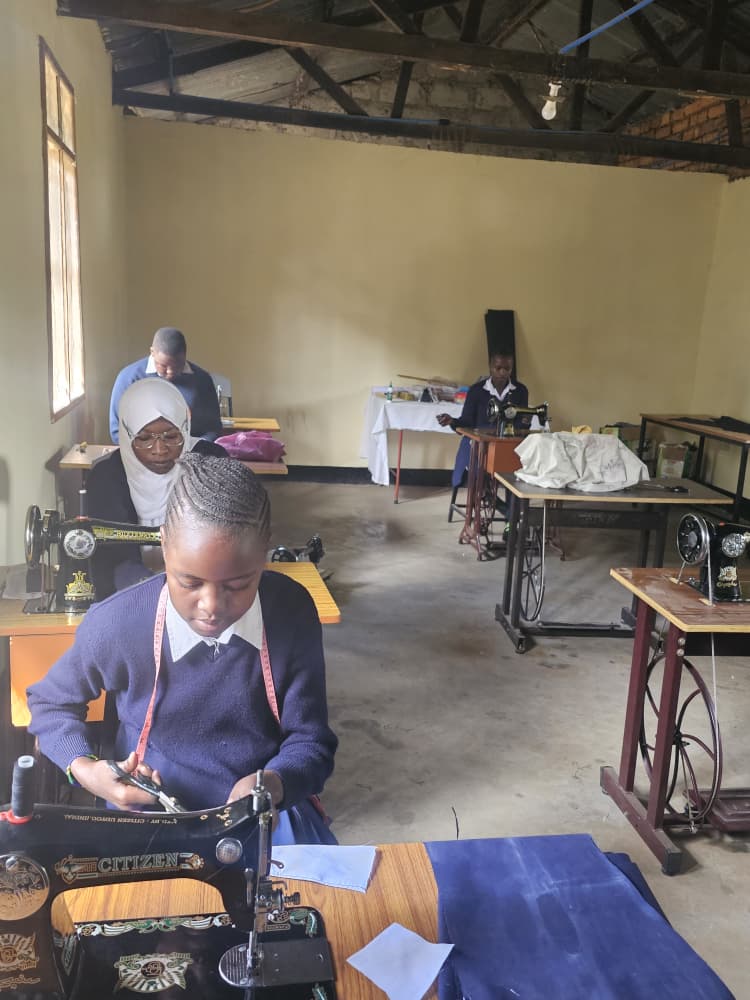
Sewing
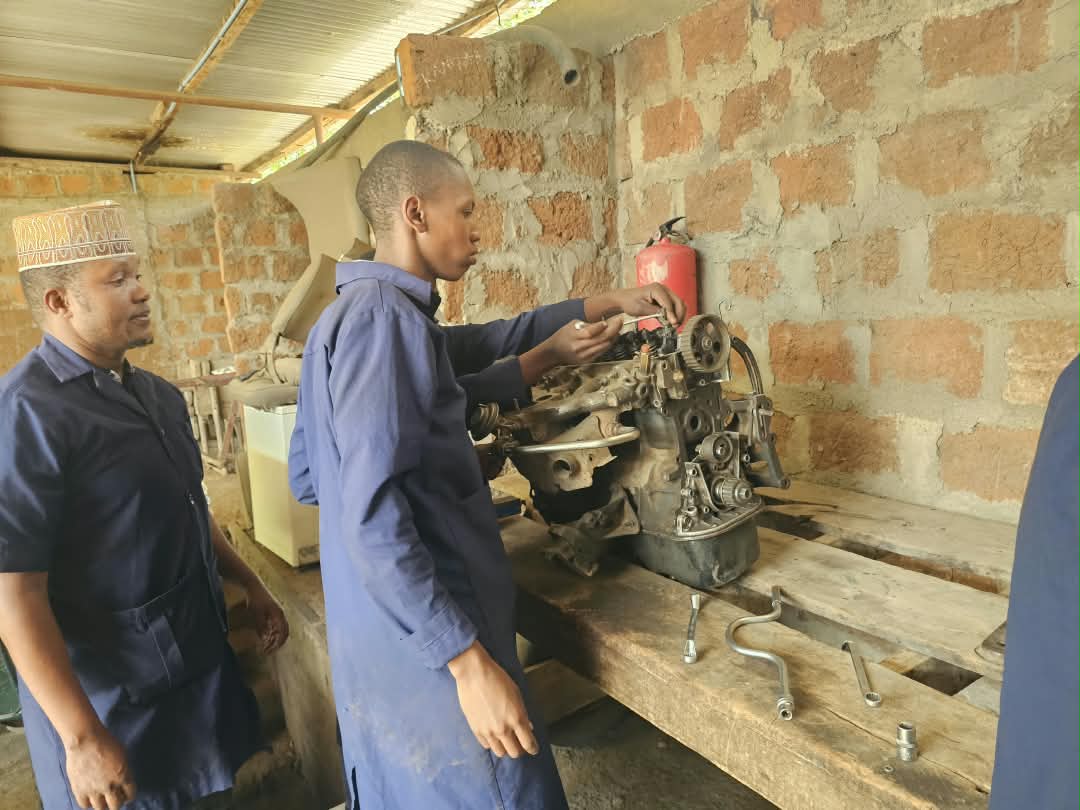
Motor Vehicle Mechanics
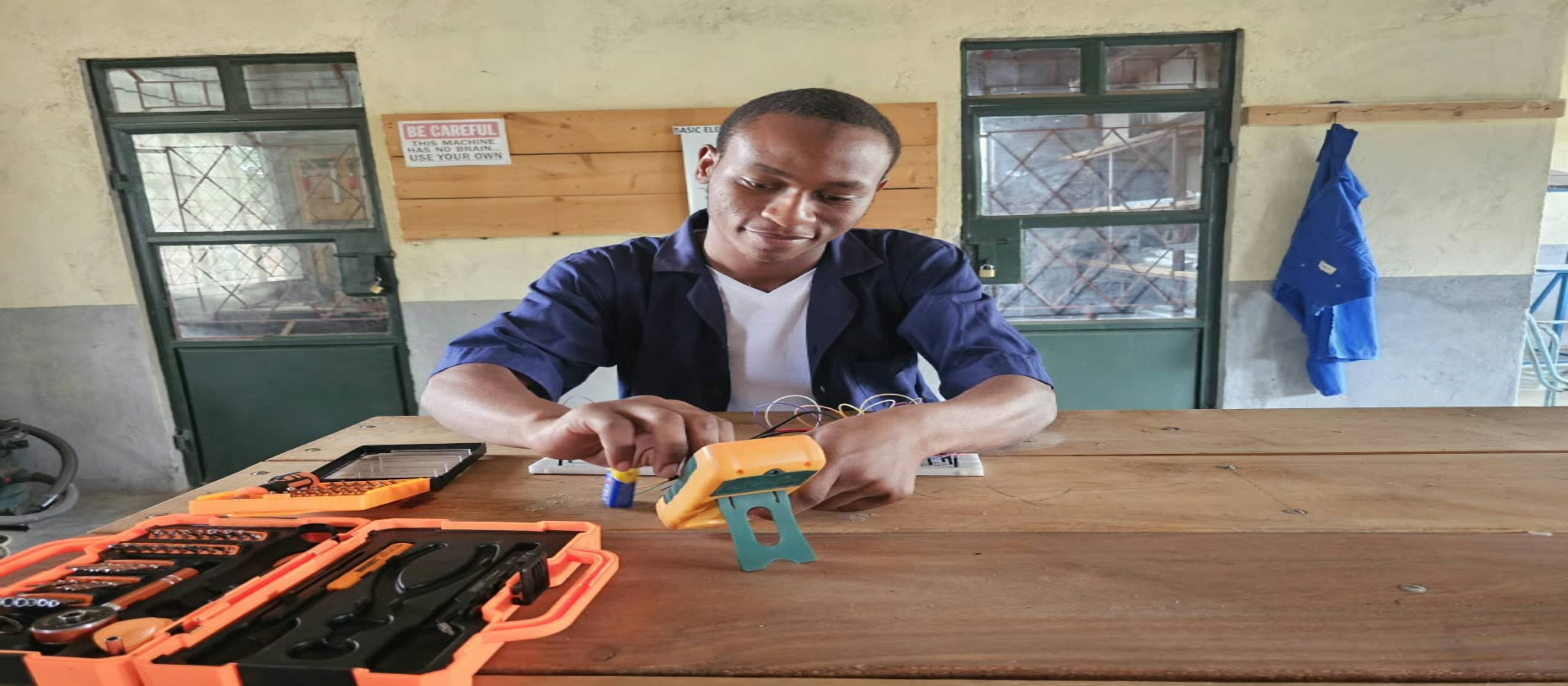
Electronics
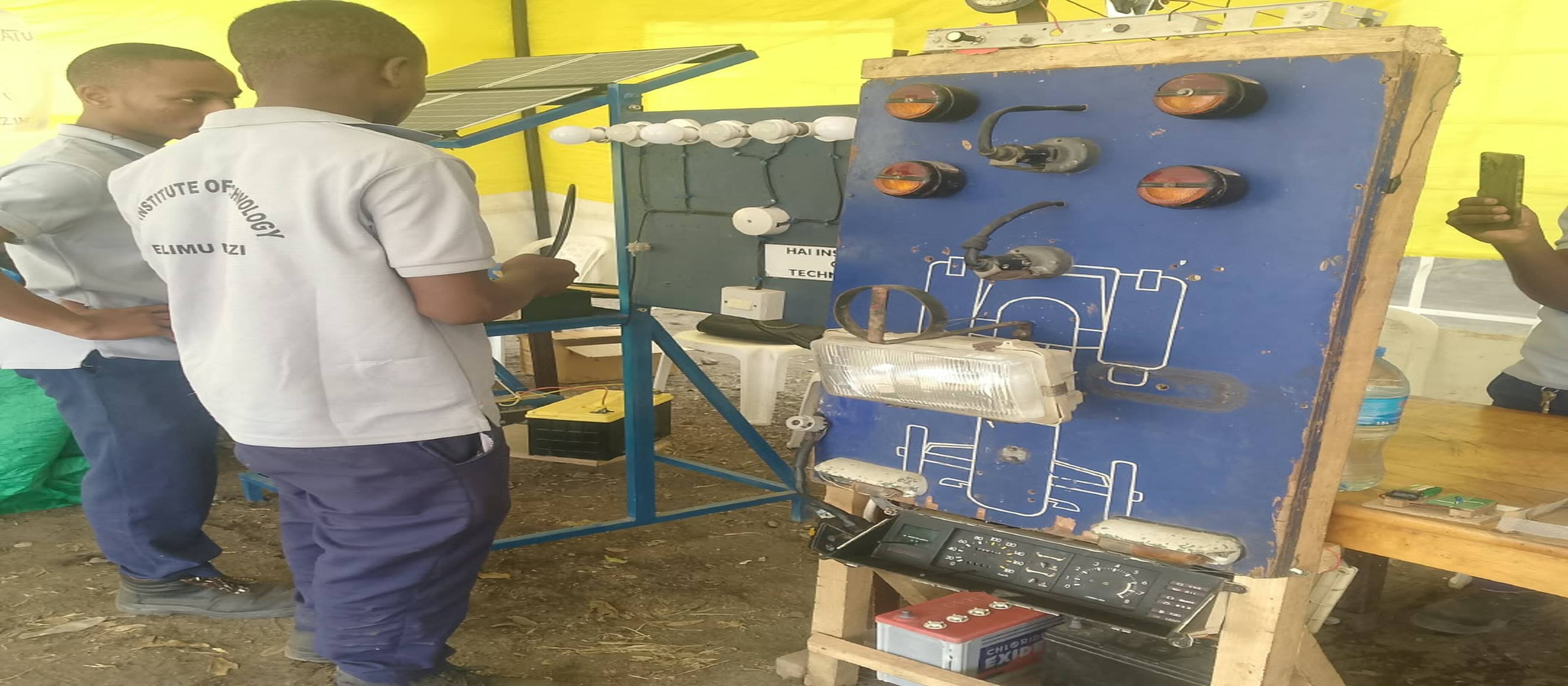
Auto Electric
Civil Drafting
Computer Application
Our Facilities
Hai Institute of Technology provides a practical learning environment with facilities that support technical and vocational training. The institute provides spaces and equipment for hands-on training in electronics, electrical installation, motor vehicle mechanics, auto electrical, computer applications, civil drafting, sewing, and masonry. These facilities enable students to gain practical experience, develop technical skills, and apply classroom knowledge to real-world activities.
Automotive Workshop
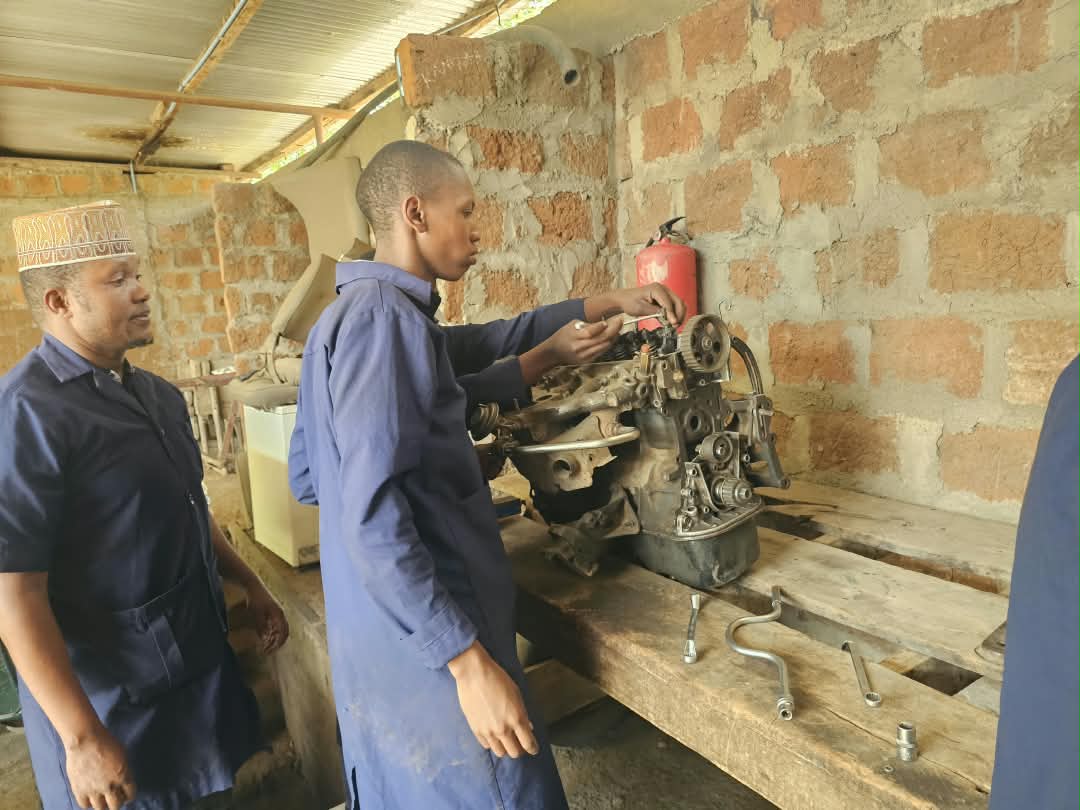
Our Automotive Workshop is a professional facility dedicated to keeping vehicles safe, reliable, and performing at their best. We provide a wide range of automotive services, including routine maintenance, engine diagnostics, electrical repairs, brake and suspension services, oil changes, tire services, and general mechanical repairs.
Computer Lab
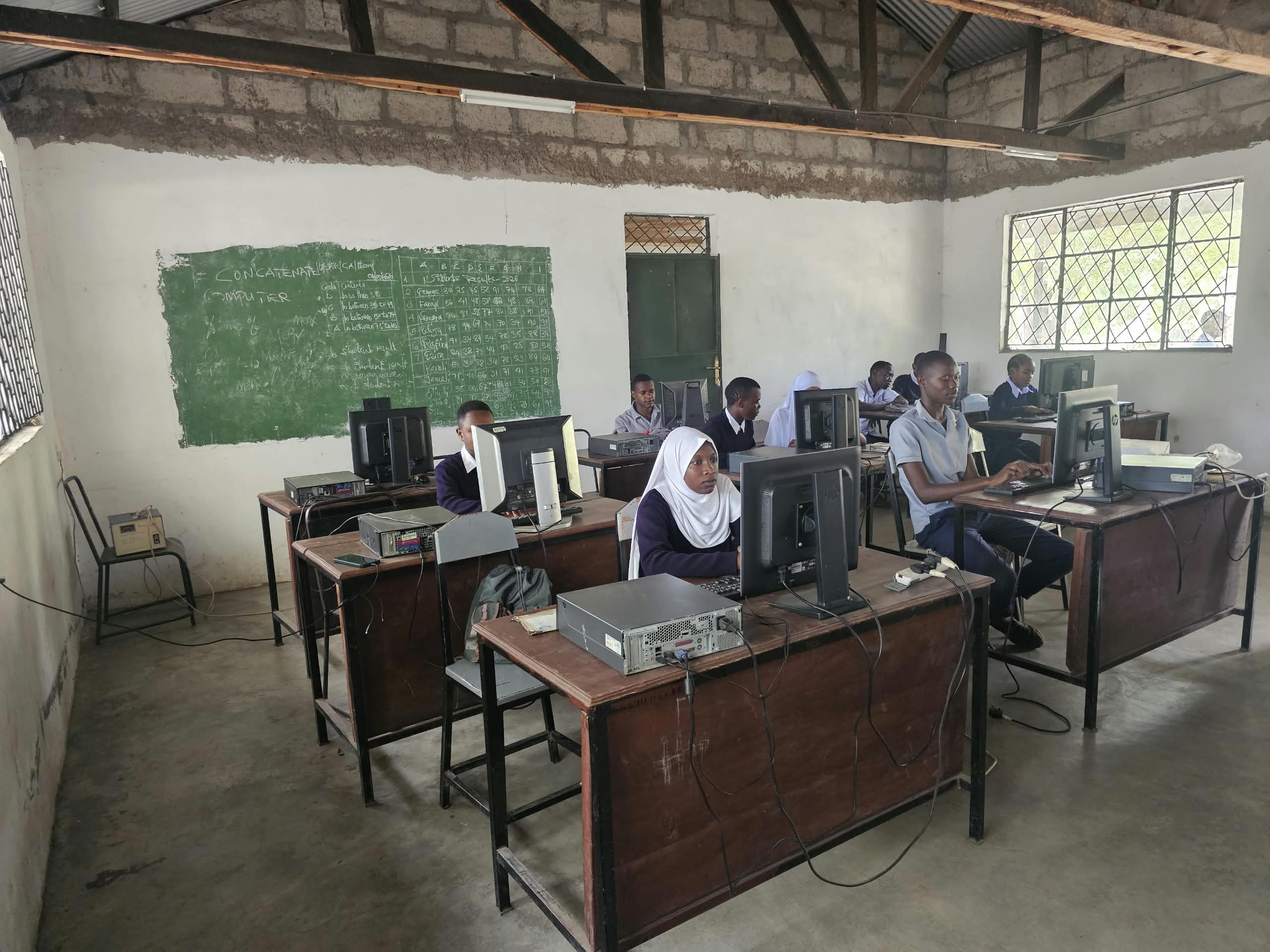
Our Computer Laboratory provides students with a modern and supportive environment for developing essential digital skills. Equipped with computers, internet access, and relevant software, the lab enables students to gain practical experience in computer applications, programming, information technology, and digital communication.
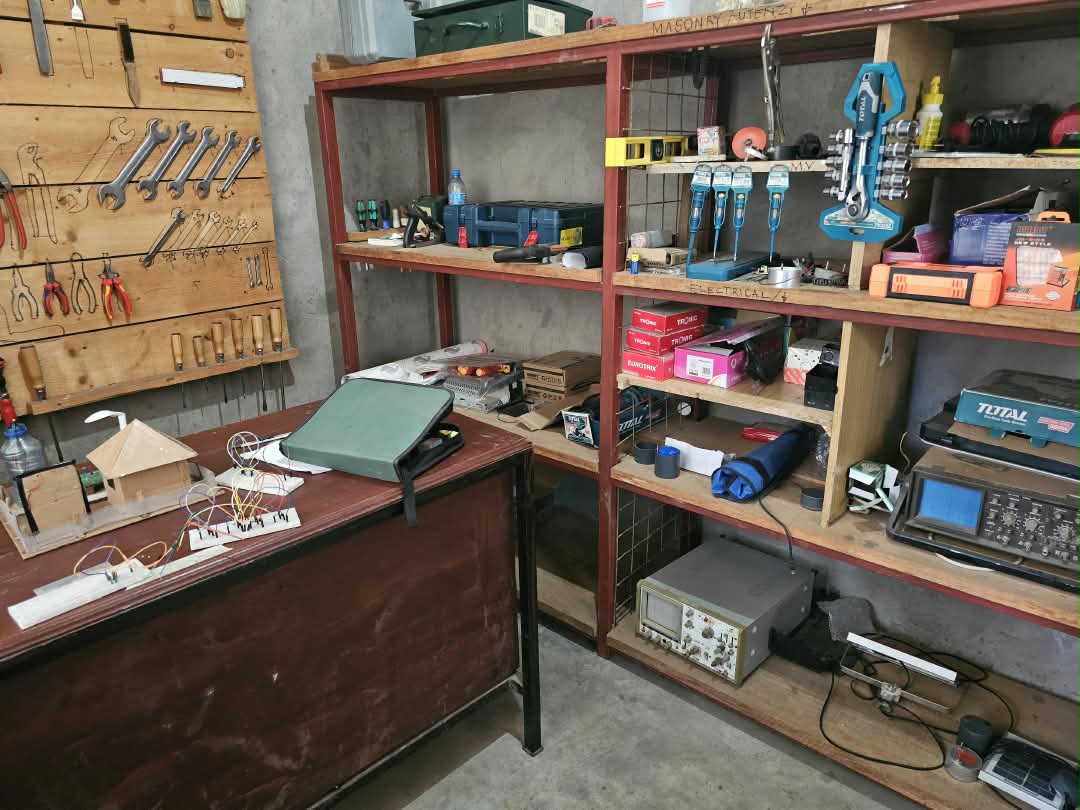
Electronics Workshop
Our Electronics Workshop provides students with a practical environment to explore the principles and applications of electronics. Students gain hands-on experience in assembling, testing, troubleshooting, and repairing electronic circuits and devices.
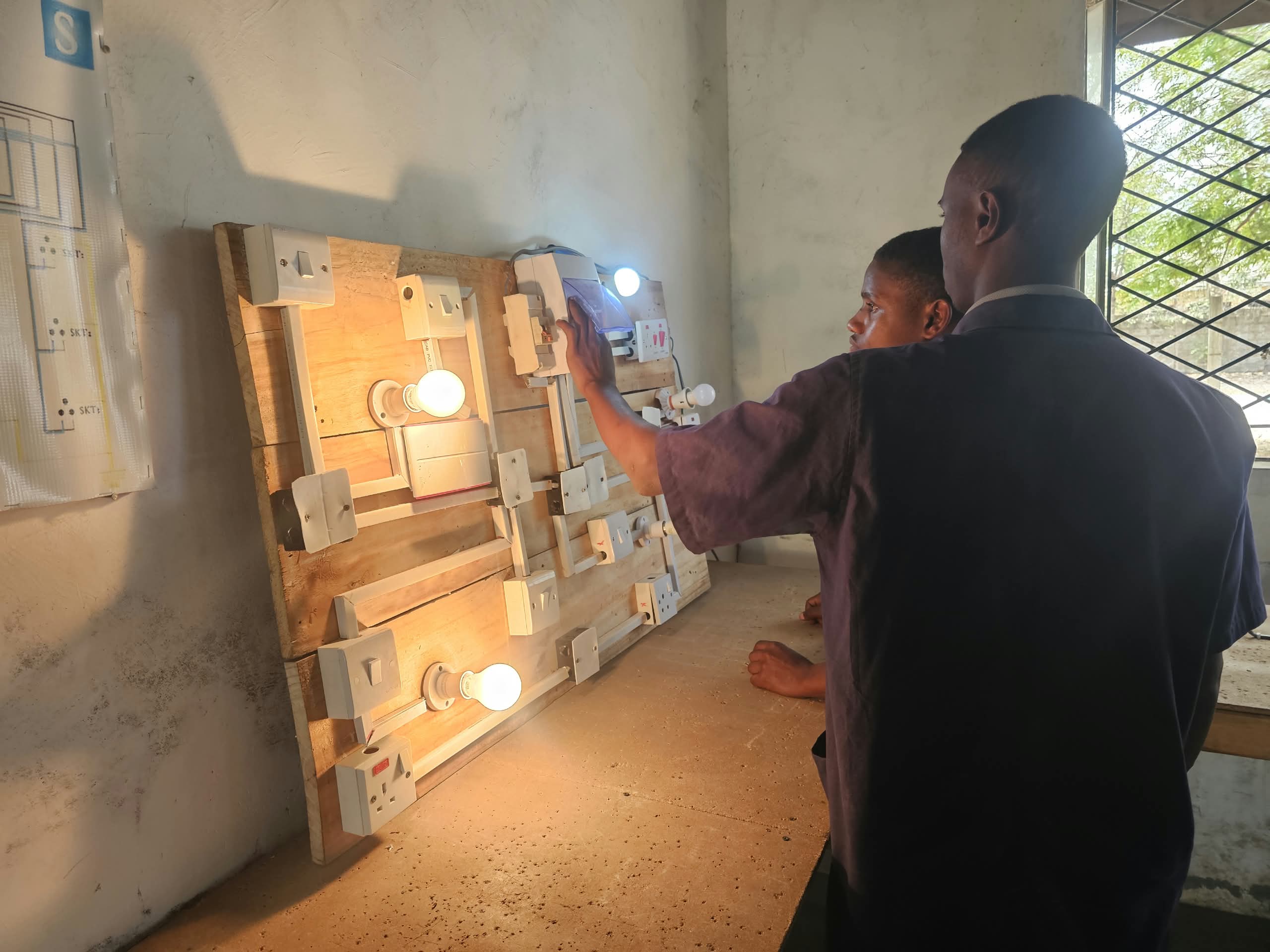
Electrical Installation Workshop
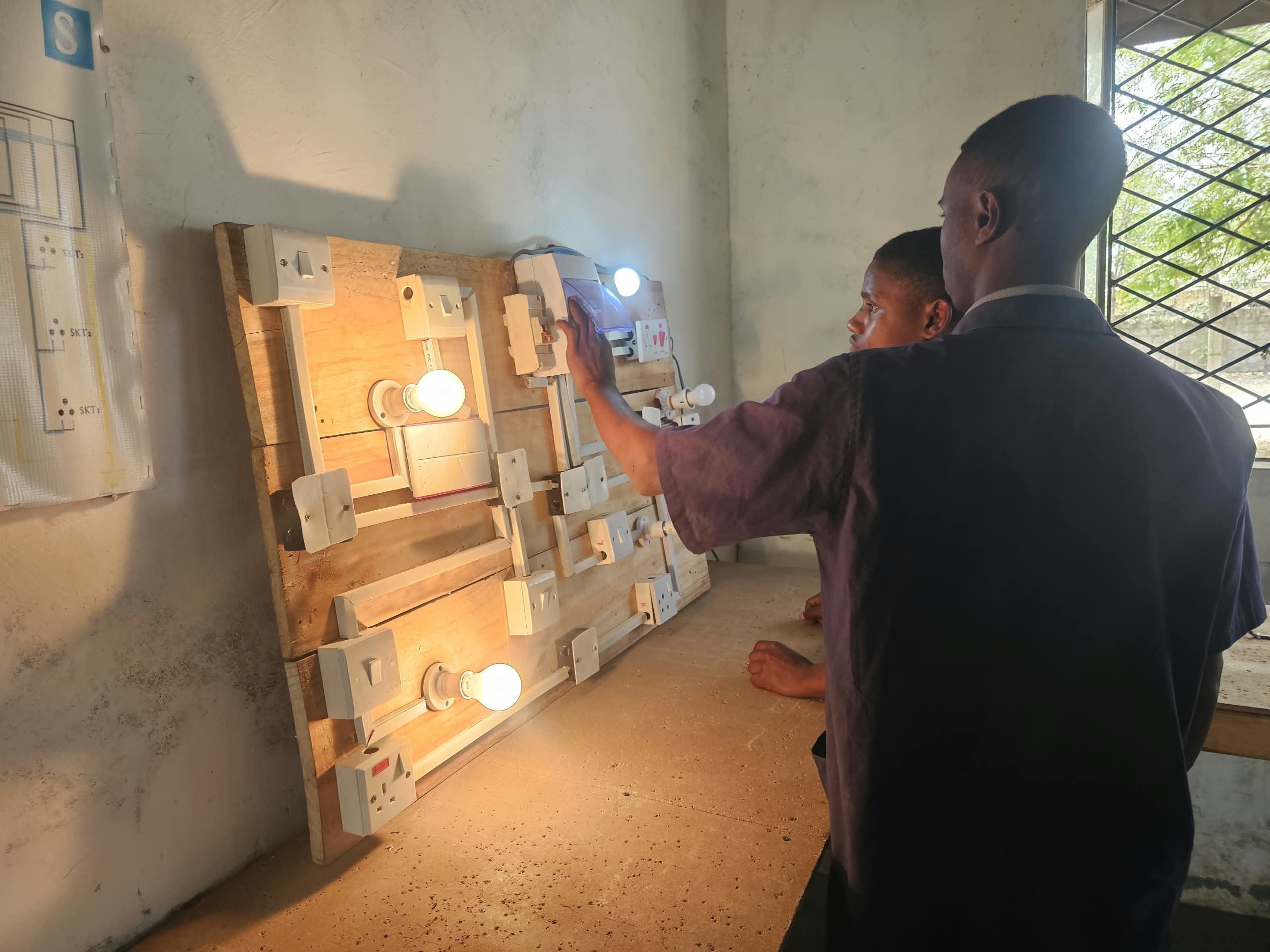
Our Electrical Installation Workshop provides students with a practical environment to develop essential skills in electrical installation, maintenance, and safety. Students gain hands-on experience in wiring systems, electrical connections, lighting installations, power distribution, and the installation of electrical equipment.